



The application process for Marad waiver helps the vessel owners to apply for flexibility against several regulatory maritime rules. The waiver process administered through the Maritime Administration is most often thought of as something that applies to small vessels that do not meet certain standards but may qualify for certain limited exemptions. When owners understand the way the process works, they can avoid delays, refusals and compliance issues.
Many operators, the waiver is not about circumventing rules. Rather, it is about aligning regulation with vessel usage in practice. Properly applied, this process will provide a lawful and structured solution to the benefit of vessel owners and regulators alike.
This article is clear and professional regarding the Marad waiver application process. It details about what is a waiver and why it exists, how to go about it, and how it differs from normal compliance routes When they prepare properly and understand the process, applicants can apply successfully.
Understanding the Marad Waiver Application Process
The Marad waiver application process allows qualifying vessel owners to seek a waiver of certain statutory requirements. Waivers like these are usually considered in cases where strict compliance isn’t practical, necessary, or consistent with use.
The waiver framework balances the need for flexibility with accountability. Representatives review every application on a case-by-case basis to ensure approval will not compromise safety, policies or regulations. This thorough examination safeguards both applicants and the entire maritime system.
The Marad waiver application process is fair. More effectively than simple blanket rules; however, does the process support tailored decision-making based on the size of the vessel, its function, and the context of its operation? It helps the organization to innovate and be efficient.
The process offers clarity to applicants. Clear criteria and documentation requirements clarify to owners what is expected. Applications that are prepared properly move through review more smoothly.
| Aspect | Standard Compliance | Marad Waiver |
|---|---|---|
| Regulatory flexibility | Low | Moderate |
| Review process | Automatic | Case-by-case |
| Documentation | Routine | Detailed |
| Approval certainty | High | Conditional |
Examining the Process of Application
Marad waiver application process has a structured review path. Knowing every phase helps applicants steer clear of frequent problems.
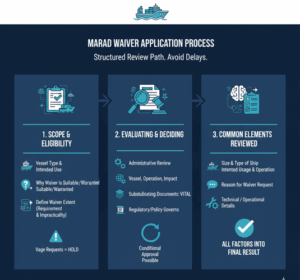
Scope of Application and Eligibility
Eligibility relies on the features of the vessel and the intended use. Some vessels cannot qualify. Applicants must show why a waiver is suitable and warranted.
Applicants must clearly define the extent of the waiver. They should state the specific requirement they seek to waive and explain why compliance is impractical. Regulators often place vague requests on hold.
Evaluating and Deciding
Applications go through an administrative review once submitted. Authorities look into the Vessel Name, the operation and its effect. Substantiating documents are vital.
Regulatory standards and policy considerations govern the decisions made. You will not automatically get approval. Certain applications can be approved with conditions.
Common elements reviewed during the process include
- Size and type of ship.
- Usage and operation intended.
- Reason for the waiver request.
- Assisting technical or operational details.
- All the component factor into the final result.
Contrasting Waiver Applications and Standard Compliance
It is simpler to grasp the Marad waiver application procedure than standard compliance routes. Full compliance to all requirements is a must. The increased flexibility waivers introduce could, however, subject the borrower to scrutiny.
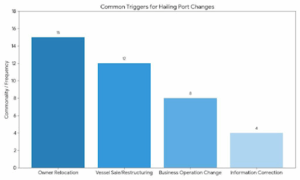
- Changing your hailing port due to movement to a new state or city is the most common reason for residential and geographic mobility. This ensures the most important document related to your boat: the vessel documentation.
- Any changes to the main resident address of a business unit or changes in its shipping operations require port registration to keep business records and logistics realistic.
- In secondary market transactions, new owners who purchase a vessel and restructure the business may choose a different home port that better suits their requirements.
Strategies to Prepare an Effective Application
The Marad waiver application process requires careful planning. Those applying must first pinpoint the requirement they wish to waive. Accuracy enhances understanding.
It is important to have strong documentation. By being clear and providing detail, you limited questions during review. Touch to Speak Please Wait!
Timing is key. Those particularly reliant on approval should allow enough time for review. Submit before the deadline.
Applicants have to make ready for the terms and conditions. Some waivers get approval with operational conditions. The knowledge and acceptance of these conditions support adherence.
Best practices to help
- Define the waiver petition clearly.
- Back it up with documentation.
- File your applications well ahead of time.
- Review and follow the conditions of approval.
- Chances of approval will go up.
Marad Waiver Application Process is Important
The Marad waiver application process follows a structured and legally compliant framework. It will address where the standard requirements will not fit. It ensures regulatory objectives through flexibility while encouraging accountability.
For vessel owners, the process is an opportunity for a compliance reality check. Vessel Registrar LLC For regulators, it ensures that there are good and sound reasons for the decisions made.
If applicants get familiar with the process and thoroughly prepare, they can apply for a waiver confidently. The Marad waiver application process is an important tool for flexible and responsible maritime regulation.
